Why Maintaining Friendships Feels Impossible With ADHD
ADHD friendships are difficult when you forget to text back or cancel plans. Here's why your brain works this way and how to find friends who get it.


Why ADHD Friendships Feel Impossible (And What Actually Helps)
Listen to this post
Hit play and do your thing. Ara reads it to you.
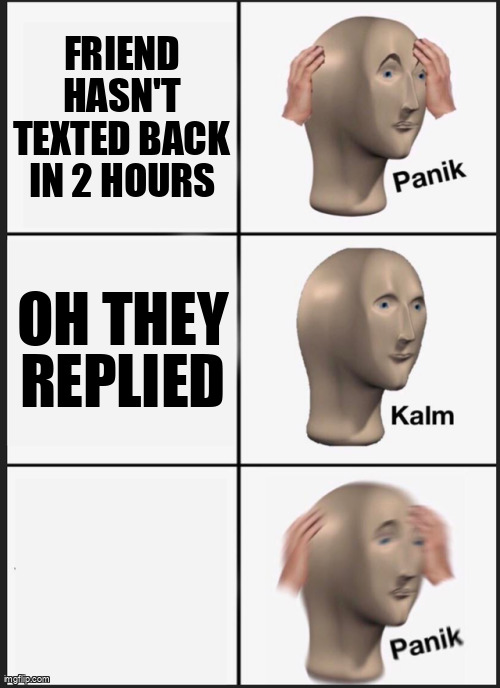
I forgot to respond to my best friend's text for three weeks once. Not because I didn't care. Because I read it in line at the grocery store, thought "I'll respond when I get home," and then my brain filed it under "handled" even though I did absolutely nothing.
She thought I was mad at her. I thought I'd already responded. We both spent weeks feeling like garbage about it.
ADHD friendships are difficult in ways that feel uniquely terrible because they hit right where it hurts. You genuinely love people. You want to show up. And somehow your brain keeps letting you down in the exact ways that make you look like you don't care.
Let's talk about why this happens and what you can actually do about it.

Your Brain Isn't Built for "Normal" Friendship Maintenance
Here's what nobody tells you about ADHD friendships: the way most people maintain connection is literally designed for brains that work differently than yours.
Text back within a few hours. Remember birthdays. Follow up on that thing they mentioned last week. Notice when someone's being distant and check in.
All of that requires working memory, time awareness, and the ability to hold people in your mind even when they're not directly in front of you. Which is.. not our strongest skill set.
Research on ADHD and social relationships shows that adults with ADHD genuinely struggle more with maintaining social connections. Not because we don't care, but because our executive function is working overtime just to remember to eat lunch.
The cruel part? When you forget to respond or cancel plans last minute, it looks exactly like not caring. So friends get hurt. You feel like a terrible person. And the cycle gets worse.
The Friendship Spiral No One Warns You About
Here's how it usually goes down.
You forget to text back. Three days pass before you realize. Now you're in that terrible zone where responding feels awkward because it's been too long, but not responding makes it worse. So you freeze. A week becomes two weeks. Now you're convinced they hate you and you've ruined everything.
Sound familiar?
ADDitude on ADHD friendship challenges calls this the "avoidance cycle," and it's devastatingly common. The longer you wait, the harder it gets to reach out. The harder it gets, the more ashamed you feel. The shame makes you avoid even more.
Add in rejection sensitivity makes this worse, and suddenly a missed text becomes a full emotional crisis about whether you're capable of being loved.
I've ghosted people I genuinely adored because I missed one hangout and convinced myself they were better off without my chaotic energy anyway.
That's not friendship failing. That's your brain lying to you about what the silence means.
What Makes ADHD Friendships Actually Work
Okay, real talk. The friendships that survive aren't the ones where you suddenly become a perfect texter who never forgets anything.
They're the ones where both people understand how your brain works.
I have friends now who will text me "hey I know you probably read this and forgot to respond, no worries, but did you see my question about Saturday?" And it's not passive aggressive. It's just.. true. And kind.
The best ADHD friendships I've found have a few things in common:
Low pressure parallel connection. You don't have to constantly perform closeness. You can exist in the same space doing separate things and that counts. This is actually how The ADHD Nest community started. People showed up to study together on my YouTube channel, and we accidentally became friends just by being in the same (virtual) room. No forced conversation. Just coexisting.
Permission to be direct. "Hey I need to cancel" doesn't require a 500 word explanation. "I forgot to respond, my bad" is enough. Nobody's keeping score of who texted last.
Built in structure. Weekly game nights. Standing coffee dates. Anything with a recurring calendar invite so your brain doesn't have to remember to initiate every single time.
CHADD on social skills and ADHD suggests creating external scaffolding for friendships, and honestly? It works. My closest friendships now have regular rhythms that don't depend on me remembering to reach out.

The Part Where You Stop Pretending to Be Neurotypical
You know what's exhausting? Trying to friendship the way you think you're supposed to.
Remembering to ask follow up questions. Pretending you definitely knew it was their birthday. Acting like you've been thinking about them all week when actually your brain was in hyperfocus mode on organizing your spice rack alphabetically.
The exhaustion of masking in friendships is real. And it's not sustainable.
The friends worth keeping are the ones who'd rather have your weird, inconsistent, genuinely enthusiastic energy than a perfectly performed version of connection that leaves you completely drained.
I stopped trying to be the friend who texts first and started being the friend who shows up intensely when I do show up. Some people hate that. The right people love it.
When You Need to Actually Talk About It
Here's a script that's saved multiple friendships for me:
"Hey, I need to tell you something about how my brain works. I care about you a lot, and sometimes I'm going to forget to respond or have to cancel last minute because ADHD makes time and task management really hard for me. It's not about you. Can we figure out what works for both of us?"
Most people? They're so relieved you brought it up. They've been wondering if they did something wrong.
Some people won't get it. That's okay. Not every friendship is meant to survive your brain working differently. The ones that matter will make space for it.
Finding Your People (They're Out There, I Promise)
The other thing that changed everything for me? Finding spaces where ADHD energy is the default, not the exception.
When everyone's forgetting to text back, nobody's taking it personally. When someone hyperfocuses mid conversation and disappears for three hours, we all just.. get it.
This is literally what The ADHD Nest Discord is for. It's free, it's full of people who understand why you read a message and then forgot it existed, and nobody's going to guilt trip you for lurking for six months before saying hi. Come hang with us at https://join.adhdnest.org/.
You don't have to earn your place there. You just have to show up when your brain lets you.

The Bottom Line
ADHD friendships are difficult because the world expects friendship to look a certain way, and our brains just.. don't do that.
But here's what I've learned after years of thinking I was broken at connection: you're not bad at friendship. You're bad at performing neurotypical friendship, which is a completely different thing.
The right people will love your chaotic, forgetful, intensely present energy exactly as it is. You don't need to fix yourself. You need to find your people and build friendships that work for how your brain actually operates.
And maybe set a recurring alarm to text your best friend. Not because you're broken, but because external reminders are valid adaptive strategies and you deserve to keep the people you love.
Your Turn 🪴
What's your biggest friendship struggle with ADHD. Is it the forgetting to respond, the canceling plans, or something else entirely? Let's commiserate in the comments.