What a Late ADHD Diagnosis Makes You Realize About Your Past
Got diagnosed with ADHD as an adult? Same. Here's what I wish someone had told me about processing a late diagnosis and the grief that comes with it.


You're Not Broken. Your Brain Just Came With Different Instructions.
Listen to this post
Hit play and do your thing. Ara reads it to you.
I got my ADHD diagnosis at 28.
Twenty-eight years of thinking I was lazy. Dramatic. "Too sensitive." Just not trying hard enough.
And then one assessment later, suddenly my entire life had a different storyline.

If you're reading this fresh off your own late diagnosis, I see you. That weird mix of relief and rage and grief and "wait, so ALL of that was ADHD??" Yeah. I know that feeling intimately.
Here's the thing nobody tells you about getting diagnosed with ADHD as an adult: the diagnosis itself is just the beginning. What comes after is this whole messy process of rewriting your entire self-concept.
And honestly? It's harder than anyone admits.
The Relief Hits First (And Then Everything Else)
The initial diagnosis feels like someone finally turned the lights on.
Suddenly, all those moments that made you feel defective have an explanation. The time you missed your best friend's wedding because you "forgot" to check the date. The seventeen unfinished projects collecting dust. The way you can't "just focus" no matter how much coffee you drink or how many planners you buy.
According to ADDitude Magazine's guide to adult diagnosis, most adults with ADHD spent decades developing coping mechanisms and masking strategies before they even knew what they were coping with.
You weren't failing at being a normal person. You were working twice as hard to operate in a world designed for different brains.
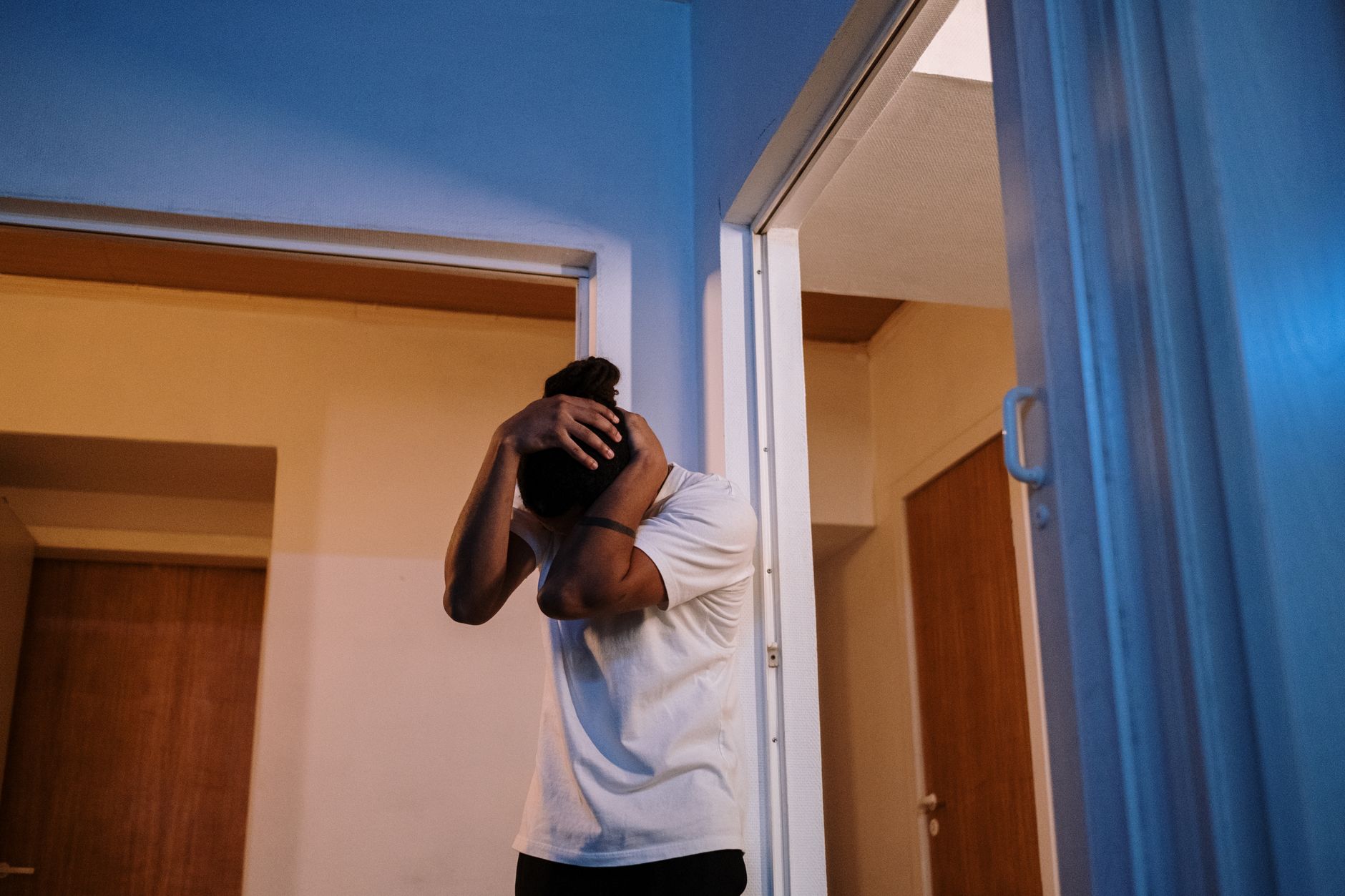
But here's what they don't tell you in the diagnosis appointment: after the relief wears off, the grief shows up. And it shows up LOUD.
The Grief Nobody Warns You About
I spent three months crying after my diagnosis.
Not because I was sad about having ADHD. But because I kept thinking about 14-year-old me, sobbing over homework that should have taken 30 minutes but somehow ate four hours. About every time a teacher said "she's so smart, she just needs to apply herself." About the friendships I lost because I was "flaky" when really, my brain just couldn't hold onto plans the way theirs could.
The grief that comes with late diagnosis is real and it's heavy.
You're mourning all the years you spent thinking you were the problem. You're angry at every adult who saw you struggling and just told you to "try harder." You're wondering who you might have been if someone had noticed sooner.
And look, I'm not going to hit you with toxic positivity here. That grief is valid. Sit with it. Be mad about it. You earned that anger.

But also: you survived all of it without knowing. You built coping mechanisms so intricate that even professionals missed it for decades. You made it here. That's not nothing.
Rewriting Your Story (AKA: Wait, I'm Not Lazy?)
The hardest part of a late diagnosis is going back through your memories with new context.
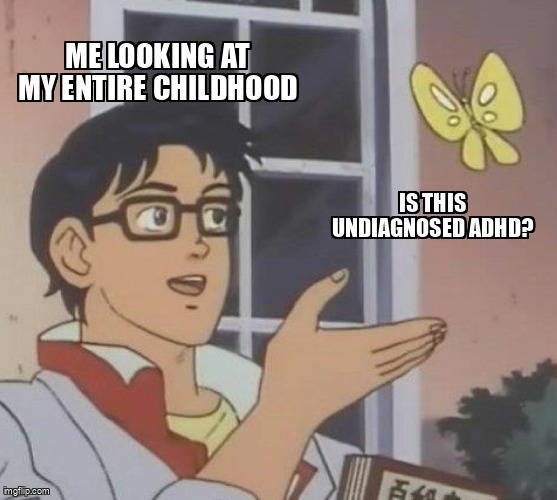
That time you got fired for "not paying attention to details"? ADHD. The relationship that ended because you "didn't listen"? ADHD. Every single time someone called you sensitive, dramatic, scattered, or "a lot"? You guessed it. ADHD.
Dr. Sari Solden's work on women and ADHD talks about how ADHD in women often looks different than the hyperactive little boy stereotype. We internalize. We mask. We develop anxiety and depression trying to compensate for executive dysfunction nobody bothered to diagnose.
We spend years thinking we're just fundamentally bad at being human.
And then we get diagnosed and have to unlearn all of that.
Here's what that looked like for me: I had to stop saying "I'm so bad at remembering things" and start saying "my working memory needs external support." I had to stop calling myself lazy and start recognizing when my brain was genuinely out of dopamine.
I had to forgive myself for every time I "failed" at something my brain was literally not wired to do easily.
That process? Still ongoing. Probably will be for a while.
What I Wish Someone Had Told Me
If I could go back and talk to myself right after diagnosis, here's what I'd say:
You don't have to tell everyone right away. Take time to process this yourself first. Some people will get it. Some people will say incredibly unhelpful things like "everyone's a little ADHD" or "have you tried just writing things down?" You get to choose who you share this with.
Medication isn't cheating. If you try meds and they help, that's not because you're taking a shortcut. That's because your brain chemistry needed support and now it has it. Nobody questions diabetics for taking insulin.
You're going to oscillate between "ADHD explains everything" and "wait, am I just using this as an excuse?" Both of those thoughts are normal. Neither is true. ADHD explains a lot. It doesn't excuse everything. You're learning where the line is. That takes time.
The diagnosis doesn't change who you are. You're the same person you were before. You just have better intel now.
And maybe most importantly: you're going to need people who get it.
Finding Your People (Because You Can't Do This Alone)
I built The ADHD Nest because I needed it.
After my diagnosis, I went looking for spaces where I could talk about this stuff without having to explain or justify or educate. I wanted somewhere I could say "I forgot to eat lunch again" and have someone reply "same, I had cereal at 4pm" instead of "just set an alarm!"
I couldn't find that space. So I made it. First as the Lofi Cutie YouTube channel, and then as a whole community.
CHADD's adult ADHD resources are great for the clinical stuff. But sometimes you just need to talk to other people who understand why you have 43 open tabs and a notes app full of random 2am thoughts.
Finding your people after a late diagnosis isn't optional. It's survival.
You need folks who won't judge you for the mess. Who celebrate when you remember to pay a bill on time. Who understand that "I'll do it later" is not procrastination, it's your brain's executive function saying "not now, we're fresh out of the chemical that makes tasks happen."

The Bottom Line
Getting diagnosed with ADHD as an adult is like finding out halfway through a game that you've been playing on hard mode this whole time.
You're allowed to be relieved. You're allowed to be angry. You're allowed to grieve the version of your life that could have been different if someone had noticed sooner.
And you're also allowed to be hopeful. Because now you know. And knowing changes everything.
The ADHD Nest exists for exactly this. Come process this with people who've been there. We have a whole channel for "wait, is THIS an ADHD thing??" moments. It's free and honestly, it's the community I wish I'd had at 28. [https://join.adhdnest.org/]
Your Turn 🪴
If you were diagnosed later in life, what's one thing you wish someone had told you? Or if you're still figuring things out, what questions are swirling around in your brain right now?