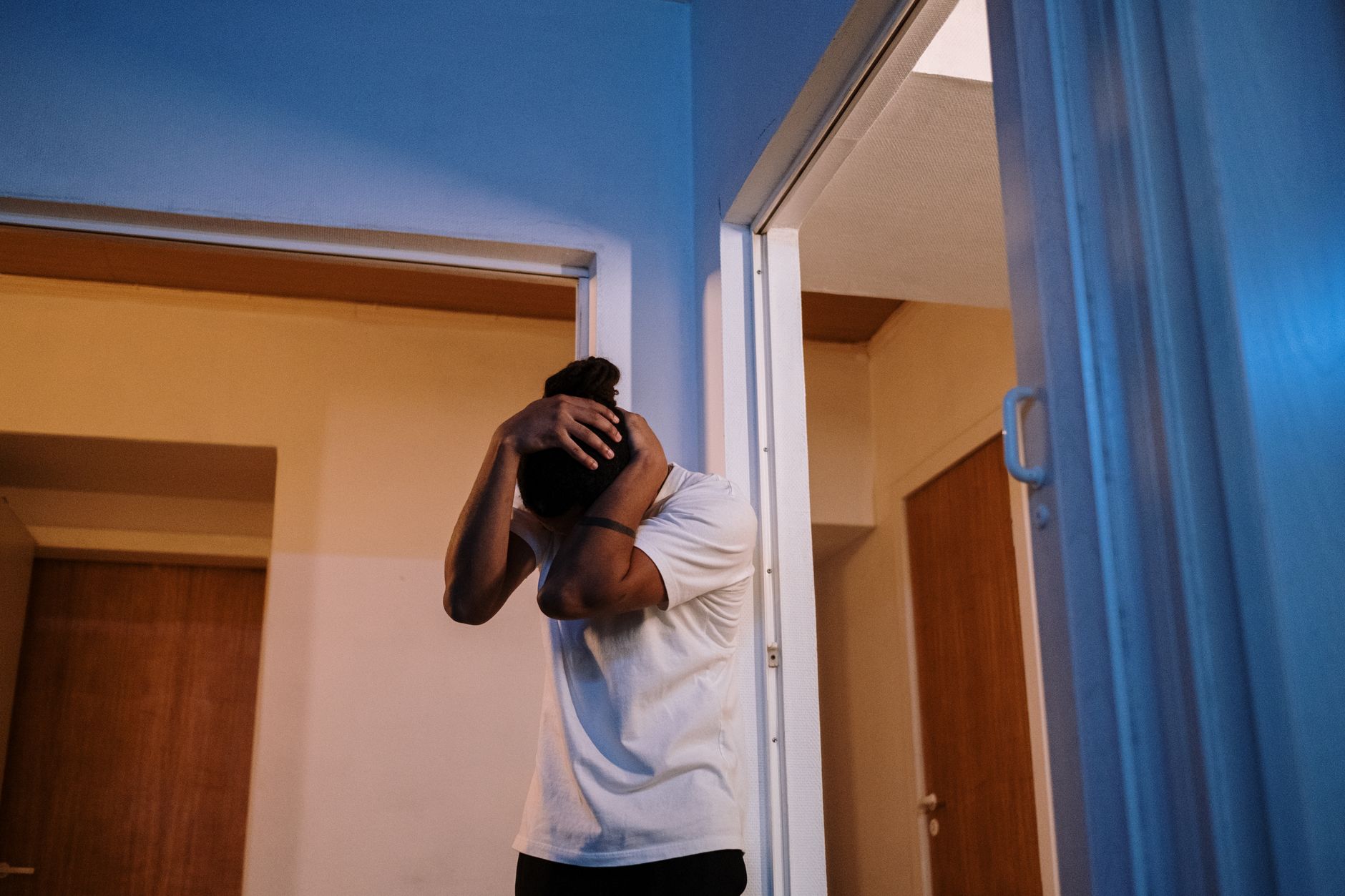
What I Wish I Knew Before My Late ADHD Diagnosis
Getting diagnosed with ADHD as an adult changes everything. Here's what nobody tells you about late diagnosis and why it's never too late to understand yourself better.


Late ADHD Diagnosis in Adults: What I Wish I'd Known Sooner
Listen to this post
Hit play and do your thing. Ara reads it to you.
I spent thirty-two years thinking I was broken.
Not quirky. Not creative. Not "just sensitive." Broken.
The morning I walked out of my psychiatrist's office with an ADHD diagnosis, I sat in my car and cried. Not because something was wrong with me. Because nothing was.
Everything that felt impossible suddenly had a name. And weirdly, that changed everything.
If you're reading this because someone suggested you might have ADHD, or because you've been Googling symptoms at 2 AM for weeks, or because you just got diagnosed and feel like you're drowning in feelings, hi. I see you.
Let's talk about what nobody mentions about getting a late ADHD diagnosis as an adult.
The Relief Hits Different
The first thing that surprised me? How good it felt to have an explanation.

All those years of feeling like everyone else got a manual I didn't receive. The constant "why can't you just..." questions from people who loved me but didn't understand. The deeply embarrassing moments I'd replayed in my head for years.
Suddenly, they made sense.
According to research from CHADD, many adults go undiagnosed because they developed coping mechanisms that masked their symptoms. We're really good at looking like we have it together while everything inside feels like chaos.
You weren't lazy. You weren't choosing to be difficult. Your brain was literally wired differently, and you were doing your absolute best with zero instruction manual.
The relief of that realization is massive. Let yourself feel it.
The Grief Nobody Warns You About
Here's what they don't tell you in the diagnosis appointment.
You're going to grieve.
Not for what you have. For what you didn't know you needed.
I spent weeks thinking about my younger self. The girl who believed she was stupid because reading took twice as long as it took everyone else. The twenty-something who thought she was a bad friend because she forgot important things. The woman who turned down opportunities because she "knew" she'd just mess them up anyway.
What would've been different if I'd known at twenty? At fifteen? At eight?
That grief is real. It's valid. And it coexists perfectly with the relief.
You're allowed to be happy you finally know AND sad about the years you spent not knowing. Both feelings can be true at the same time.
Everything You Thought Was "You" Gets Recontexted
The weirdest part of getting diagnosed as an adult? Rewatching your entire life with new subtitles.
That time you completely forgot about your best friend's birthday even though you'd been planning something for weeks? ADHD working memory issues, not you being a terrible person.
The way you could hyperfocus on a craft project for eight hours but couldn't sit through a 30-minute TV show? Classic ADHD attention regulation, not you being difficult.
The emotional overwhelm that made you cry at minor inconveniences? Emotional dysregulation is a core ADHD symptom that researchers are finally taking seriously.

I rewrote my entire life story in my head. Not the events. Just the meaning behind them.
You start separating "things I chose" from "things my brain did" from "things I blamed myself for that were never my fault."
It's disorienting and liberating at the same time.
The Diagnosis Doesn't Fix Everything (And That's Okay)
I had this fantasy that getting diagnosed would be like getting glasses for the first time. Everything would suddenly snap into focus and life would be easy.
Spoiler alert: that's not how it works.
Knowledge is powerful. Understanding why your brain does the things it does gives you so much more compassion for yourself. But the actual work of learning to work WITH your brain instead of against it? That takes time.
Medication helps some people significantly. Therapy helps others. Strategies and systems and understanding your own patterns, those help everyone. But there's no magic reset button.
And honestly? That's okay.
You're not trying to fix yourself. You're learning to understand and support yourself. Those are completely different goals.
You'll Question the Diagnosis (That's Normal Too)
About two weeks after my diagnosis, I convinced myself the psychiatrist was wrong.
Maybe I'd exaggerated my symptoms. Maybe I was just disorganized and undisciplined. Maybe I was looking for an excuse for my failures.
Imposter syndrome hits different when it's about your own brain.
Here's what I wish someone had told me: questioning your diagnosis is incredibly common, especially in adults. According to Understood.org, many adults with ADHD struggle with self-doubt because they've spent years being told their struggles were character flaws.
If you find yourself thinking "maybe I don't really have ADHD," that might actually be the ADHD talking. We're really good at invalidating our own experiences.
Trust the professional who evaluated you. They've seen hundreds of cases. They know what they're looking for.
The Community Changes Everything
One of the unexpected gifts of getting diagnosed late? Finding your people.
I started watching videos about ADHD experiences (you can find a bunch on my YouTube channel by the way, just saying). I joined online communities. I started talking about it openly.
And suddenly, I wasn't alone anymore.

People who understood why I set seventeen alarms and still somehow missed the appointment. People who got the specific panic of "I need to do the thing but my body won't move." People who celebrated the weird victories like "I remembered to eat lunch three days in a row!"
You don't have to figure this out alone. There's an entire community of people who've been exactly where you are right now.
It's Never Too Late to Understand Yourself
The question I get asked most: "Is it worth getting diagnosed if I've already made it this far?"
Yes. A thousand times yes.
You haven't "made it this far" because you don't have ADHD. You've made it this far DESPITE having undiagnosed, unsupported ADHD. Imagine what becomes possible when you actually understand how your brain works.
Getting diagnosed at thirty, forty, fifty, sixty doesn't erase the years you spent struggling. But it does mean every year from now on can be different.
You can stop fighting against yourself and start working with yourself.
You can build systems that actually support how your brain works instead of trying to force yourself into neurotypical productivity methods that never quite fit.
You can give yourself permission to need what you need without shame.
What I Wish Someone Had Told Me
If I could go back to the day I got diagnosed and tell myself one thing, it would be this:
You're going to spend a lot of time looking backward and wondering "what if." That's natural. But try to spend equal time looking forward.
Because here's the truth: you can't change the past, but understanding your ADHD completely changes what's possible for your future.
You're not starting over. You're finally getting the user manual for the amazing, complicated, frustrating, creative brain you've always had.
And that brain? It's capable of more than you ever gave it credit for.
The diagnosis isn't an ending or a limitation. It's the beginning of actually understanding yourself. And that understanding is the foundation for everything else.
Your Turn 🪴
What's one thing you wish you'd known about yourself sooner? Or if you just got diagnosed, what's the biggest feeling you're sitting with right now? I read every comment, and I promise you're not alone in whatever you're experiencing.