Why Rejection Feels Like Actual Pain With ADHD
That crushing feeling when someone's slightly annoyed? That's rejection sensitive dysphoria. Let's talk about why ADHD brains feel rejection so intensely.


Rejection Sensitive Dysphoria & ADHD: Why It Hurts So Much
Listen to this post
Hit play and do your thing. Ara reads it to you.
Someone left you on read for three hours and you've already planned your entire funeral.
Your boss said "can we talk later?" and your brain immediately started composing your resignation letter, your apology speech, and researching how to change your identity and move to a different country.
A friend cancelled plans and you're now convinced they secretly hate you and have always hated you and were probably just tolerating you this whole time.
If this sounds exhausting, that's because it is.
Welcome to rejection sensitive dysphoria, the ADHD experience nobody warns you about until you're sobbing over a text that just said "k."

What Even Is Rejection Sensitive Dysphoria?
Rejection sensitive dysphoria, or RSD, is basically your nervous system's fire alarm going off because someone frowned slightly in your general direction.
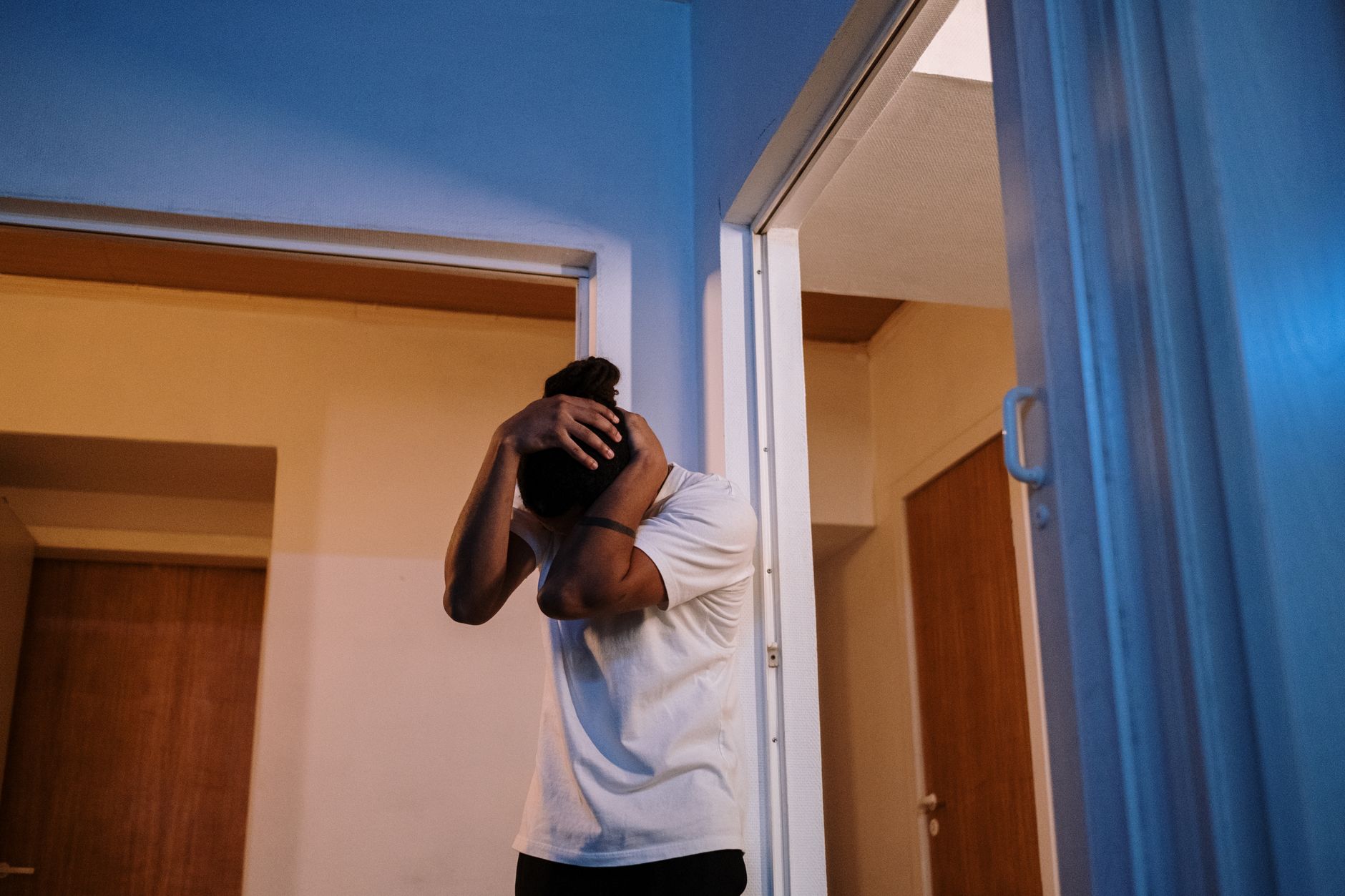
It's not just being sensitive to rejection. It's experiencing emotional pain so intense and so immediate that it feels physical. Like your chest is caving in. Like you can't breathe. Like the world just confirmed your worst fear about yourself.
And here's the thing that makes it specifically an ADHD thing: it's not proportional to what actually happened.
According to research shared by ADDitude Magazine, people with ADHD experience emotional responses that are both more intense and harder to regulate than neurotypical folks. RSD is that dialed up to eleven.
Your friend isn't mad. They're just tired. But your brain doesn't care about logic right now. It's already in full crisis mode.
The worst part? You often KNOW you're overreacting while it's happening. But knowing doesn't make it stop.
Why ADHD Brains Feel Rejection Like a Physical Wound
There's actual science behind why this hurts so much.
ADHD brains already struggle with emotional regulation. The prefrontal cortex, which usually helps us pause and evaluate situations rationally, is basically running on dial up internet while everyone else has fiber optic.
So when something feels like rejection, there's no buffer. No "wait, let me think about this reasonably" filter. Just immediate, overwhelming emotional pain.
CHADD notes that this intensity isn't a character flaw or immaturity. It's a neurological difference in how ADHD brains process emotional information.
Plus, a lot of us have spent our entire lives actually being rejected. Forgotten. Told we're too much or not enough. Called lazy, careless, dramatic. That accumulates.
Your brain has evidence that rejection is real and frequent. So it's constantly scanning for threats. Hypervigilant. Ready to protect you from the next hurt by hurting first.
It's trying to help. It's just really, really bad at it.
The Sneaky Ways RSD Shows Up
RSD doesn't always look like crying over a text.
Sometimes it looks like:
People pleasing until you're exhausted. If nobody can ever be disappointed in you, they can't reject you. So you say yes to everything, overextend yourself constantly, and prioritize everyone's needs except your own.
Avoiding anything where you might fail. Why risk rejection when you can just.. not try? This is why so many of us have half-finished projects and dreams we never chase. The possibility of criticism feels genuinely dangerous.
Perfectionism that makes everything harder. If it's not absolutely perfect, it's worthless. There's no middle ground. Because anything less than perfect might invite criticism, and criticism feels like annihilation.
Exploding in anger instead of showing hurt. Sometimes RSD comes out sideways. You're not sad, you're FURIOUS. Because anger feels safer than admitting how much something hurt. Anger feels like power when vulnerability feels like weakness.

Replaying conversations for days. Did that pause mean something? Was that laugh genuine? Why did they phrase it that way? Your brain becomes a detective, searching for evidence of rejection in every interaction.
According to experts at Understood.org, these responses are protective mechanisms. They're not healthy long term, but they made sense at some point. Your brain learned them for a reason.
The Imposter Syndrome Connection
Here's where RSD gets really fun. (And by fun, I mean terrible.)
It teams up with imposter syndrome to create a special kind of hell.
You get positive feedback, and instead of feeling good, you think: "They're just being nice. They don't mean it. When they find out I'm actually a mess, they'll take it back."
Someone compliments your work and your brain immediately starts preparing for the inevitable moment when they realize you're a fraud.
You can't accept praise because RSD has you convinced that rejection is always coming. It's just a matter of time.
So you dismiss compliments, downplay achievements, and stay ready for the other shoe to drop. Which is exhausting. And also really lonely.
What Actually Helps (No, "Just Stop Caring" Isn't On The List)
I'm not going to tell you to develop a thicker skin. That's like telling someone with a broken leg to just walk it off.
But there are things that genuinely help.
Name it when it's happening. Just saying "oh, this is RSD" can create a tiny bit of distance. Not enough to make it stop, but enough to remember that the feeling isn't necessarily the truth.
Reality check with someone safe. Find one person who gets it, and give them permission to gently reality check your spiral. Not dismiss it, just remind you of facts when your brain is only showing you fears.
Feel it without feeding it. This sounds impossible, but: let the feeling exist without creating stories around it. You feel terrible. That's real. But "I feel terrible" is different from "everyone hates me and always has."
Medication can help some people. Some folks find that ADHD medication or certain anxiety meds take the edge off RSD. It doesn't work for everyone, but it's worth discussing with a doctor if this is really impacting your life.
Practice self-compassion like your life depends on it. Because honestly, it kind of does. When your brain is constantly predicting rejection, you need to be the one voice that's consistently kind. Even when it feels fake at first.
I've also found that having go-to playlists helps. Music that matches the feeling so you're not alone in it. That's actually why I started the Lofi Cutie YouTube channel. Sometimes you just need sounds that get it.
The Thing Nobody Tells You
RSD doesn't mean you're broken.
It means your nervous system is working overtime to protect you from something that has hurt you before. It's misguided, yes. Exhausting, absolutely. But it comes from a place of trying to keep you safe.
You're not too sensitive. You're not overreacting. You're not being dramatic.
You're having a legitimate neurological and emotional response to perceived threats. And that "perceived" part doesn't make the pain less real.
The goal isn't to stop feeling things intensely. That's part of who you are. The goal is to build enough safety and enough skills that the intensity doesn't run your entire life.
Some days you'll manage it beautifully. Some days you'll spiral over someone's text tone. Both are okay. This isn't linear.

You're allowed to feel everything deeply. You're also allowed to learn how to hold those feelings without letting them make all your decisions.
And on the days when RSD wins and you're convinced everyone hates you? That's not weakness. That's your brain doing what ADHD brains do. You're still here. That counts for something.
Your Turn 🪴
What does RSD feel like for you? Do you get the chest crushing thing, or does it show up differently? And have you found anything that actually helps, even a little? I'd love to hear what this looks like in your life.