Why One Tiny Criticism Ruins Your Entire Week (ADHD & RSD)
That "k" text ruined your whole day? It's not you. It's RSD. Here's what ADHD rejection sensitivity actually is and how to survive it.


ADHD Rejection Sensitivity: Why Criticism Hits Different
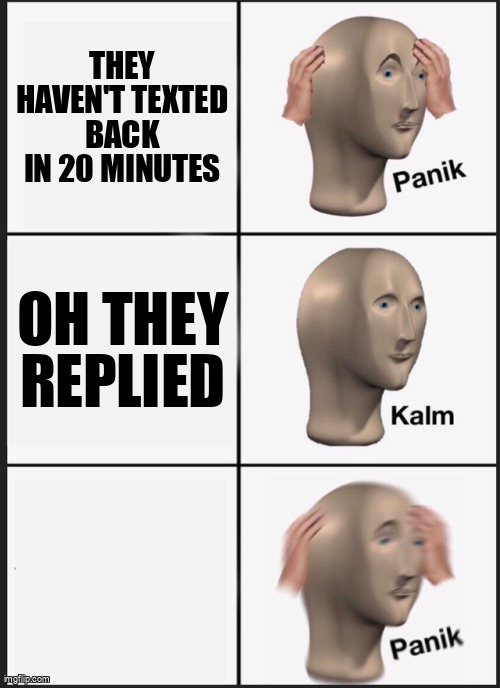
Someone takes 45 minutes to reply to your text and your brain immediately writes a 47-page dissertation on why they hate you.
Your boss says "can we talk later?" and you spend three hours convinced you're getting fired, mentally packing your desk, already drafting your LinkedIn post about new opportunities.
A friend cancels plans and you spiral into "nobody actually wants to hang out with me, I'm too much, I should just stop trying."
If this sounds familiar, welcome to rejection sensitive dysphoria. Or RSD, if we're being casual about the thing that occasionally ruins our entire week over a single emoji.

What Even Is RSD? 🧠
Here's the technical bit: Rejection Sensitive Dysphoria is extreme emotional pain triggered by the perception (real or imagined) of rejection, criticism, or failure. Dr. William Dodson on RSD describes it as one of the most common but least discussed aspects of ADHD.
And honestly? That tracks. Because we spent years being told we were "too sensitive" or "overreacting" when actually our brains were just wired to feel rejection like a physical wound.
The thing nobody warns you about with ADHD is that it's not just attention stuff. It's also emotional dysregulation on expert mode. Research on emotional dysregulation in ADHD shows that people with ADHD experience emotions more intensely and have a harder time regulating them.
So when rejection hits? It doesn't just sting. It detonates.
Here's what RSD actually feels like: - Instant, overwhelming emotional pain that feels physically real - Catastrophic thinking that spirals in seconds (they hate me → everyone hates me → I should move to a cabin in the woods) - Avoiding situations where rejection is possible (not applying for the job, not sending the text, not trying the thing) - People-pleasing to an exhausting degree because the thought of disappointing someone is unbearable - Replaying conversations for DAYS looking for signs you messed up
The worst part? You KNOW you're overreacting. You can see yourself doing it. But knowing doesn't make it stop.

Why ADHD Brains Do This
Your brain isn't broken. It's just.. intense.
ADHD brains have a thing about emotional regulation. We feel everything louder. Joy hits like fireworks. Excitement is rocket fuel. And rejection? Rejection feels like the end of the world.
Part of it is neurological. The same dopamine dysregulation that makes us lose our keys also makes us hypersensitive to social feedback. Our brains are constantly scanning for signs of rejection because historically, being rejected from the group meant danger.
But here's where it gets messy: a lifetime of actual rejection makes RSD worse.
Think about it. How many times were you told you were "too much" or "not enough"? How many times did you forget something important and watch someone's face change? How many friendships did you lose because you interrupted too much, texted too much, cared too much?
That's not imagined rejection. That's real pattern recognition.
Your brain learned that you're one mistake away from being left behind. So now it sees rejection everywhere, even when it's not there. A "k" isn't just a letter. It's proof that you're annoying. A rescheduled coffee isn't a scheduling conflict. It's confirmation that nobody actually wants to spend time with you.
And those ADHD negative thought spirals? They're RSD's best friend. One perceived rejection and suddenly you're in a full shame spiral, convinced you've ruined everything forever.
The Sneaky Ways RSD Shows Up ⚠️
RSD doesn't always look like crying in your car after a work meeting (though, yeah, been there).
Sometimes it looks like:
Perfectionism as armor. If you never make a mistake, nobody can criticize you. So you spend four hours on an email that should take 10 minutes because every word has to be perfect. You don't start projects because if you never try, you can never fail.
People-pleasing until you're a husk of a human. You say yes to everything. You laugh at jokes that aren't funny. You text back immediately even when you're drowning because what if they think you're ignoring them? You mold yourself into whatever you think people want until you don't even know who you are anymore.
Avoiding anything that feels risky. Don't apply for the job. Don't ask them out. Don't share your work. Don't be vulnerable. If you never put yourself out there, you can't be rejected. Safe, but also.. really lonely.
Explosive anger when criticized. Sometimes RSD doesn't feel like sadness. It feels like rage. Someone points out a mistake and you go from zero to defensive in half a second because your brain heard "you're not good enough" instead of "hey this typo."
A lot of people with late ADHD diagnoses realize their "anxiety" was actually RSD the whole time. That constant background hum of "am I doing this right? do they hate me? did I say the wrong thing?" That's not generalized anxiety. That's your brain on high alert for rejection.
What Helps When RSD Hits 💜
Okay, real talk. You can't logic your way out of RSD in the moment. When it hits, it hits. Your nervous system is in full fight-or-flight and telling yourself "this is irrational" does absolutely nothing.
So here's what actually helps:
Step 1: Name it. Out loud if you can. "This is RSD. This feeling is real but the story isn't." Sometimes just recognizing it as a brain thing (not a truth thing) gives you a tiny bit of distance.
Step 2: Don't make decisions. When RSD is at full volume, every decision you make will be about avoiding more pain. Don't quit. Don't send the long apologetic text. Don't delete your social media. Give yourself 24 hours before doing anything permanent.
Step 3: Ground yourself physically. Your body is in panic mode. Cold water on your face. Feet on the floor. Five things you can see. This isn't woo-woo nonsense, it's nervous system regulation. You need to signal to your body that you're safe right now.
Step 4: Get it out of your head. Text a friend. Journal. Voice memo to yourself. The story loop in your head will keep spinning unless you externalize it. And honestly? Sometimes saying it out loud makes you realize how catastrophic your brain went. "I think my boss hates me because she said 'thanks' instead of 'thank you!'" Yeah. Okay. Maybe that's RSD talking.
Step 5: Distract with something that requires focus. This is where the magic happens. Your brain needs a hard reset, not more rumination time. I'm talking a video game, a craft project, some genuinely engaging work, or...
Here's my not-so-secret weapon: I put on something cozy and absorbing and let my brain do literally anything else for 30 minutes. If you need something right now, this deep focus lofi mix has pulled me out of more RSD spirals than I can count. There's something about instrumental music that gives your brain something to hold onto without demanding more emotional processing.
The goal isn't to "fix" the feeling. It's to survive it until it passes. Because it will pass. RSD is intense but it's also temporary.
Building Long-Term RSD Resilience 🌱
Coping strategies get you through the moment. But if you want to actually reduce how often RSD shows up (or how hard it hits), you need to work on the foundation.
Therapy helps. Specifically the right kind. CBT can help you challenge the catastrophic thoughts. DBT teaches emotion regulation skills that are legitimately life-changing. And if you can find a therapist who actually understands ADHD (not just "have you tried a planner?"), even better. CHADD on managing intense emotions has resources for finding ADHD-informed therapists.
Medication might change the game. Some people find that ADHD meds reduce RSD intensity because they help with emotional regulation overall. Others find that anxiety meds take the edge off. This is a conversation for your doctor, not a blog, but it's worth knowing that "just feeling everything really hard forever" isn't your only option.
Build a shame-resilient support system. You need people who won't gaslight you when RSD hits. People who can say "that sounds really hard AND also maybe your brain is catastrophizing" without making you feel stupid. People who understand that sometimes you need reassurance even when logically you know you're fine.
This is literally what The ADHD Nest Discord exists for. We have a whole channel where people post their RSD spirals and the community gently reality-checks them while also validating that yes, the pain is real. Sometimes you just need someone to say "I promise your friend doesn't hate you because you sent three texts in a row."
Practice self-compassion like it's a skill. Because it is. RSD makes you your own worst critic. You need to actively practice talking to yourself like you'd talk to a friend. When you catch yourself spiraling into "I'm the worst," pause and ask: would I say this to someone I love? If not, don't say it to yourself.
Reframe rejection as data, not verdict. This one takes time but it's worth it. That job rejection isn't "proof you're not good enough." It's information that this specific job wasn't the right fit. That friend canceling plans isn't "nobody likes you." It's one person having a scheduling conflict. RSD wants to make everything a referendum on your worth. Practice making it smaller and more specific.
The Bottom Line
RSD is one of those ADHD things that nobody tells you about until you're already drowning in it.
You're not too sensitive. You're not overreacting. Your brain is processing rejection through an amplifier that other people don't have, and that's a real neurological thing, not a character flaw.
The hard part is that you can't just turn it off. But you can learn to recognize it, ride it out, and build a life where rejection doesn't feel quite so catastrophic.
And here's the thing nobody mentions: RSD also means you feel connection really deeply. You care really hard. You love really big. The same sensitivity that makes rejection hurt like hell also makes joy feel like magic. It's not a fair trade, but it's part of the package.
You're not broken. You're just wired to feel everything at full volume. And there's a whole community of us learning how to turn that into something we can live with.
Come hang out with us. We get it. join.adhdnest.org
Your Turn 🪴
When did you first realize your reaction to rejection was bigger than other people's? What's helped you cope? This is a judgment-free zone. We've all ugly cried over a "per my last email."